
Warmth around your swimming plans
When Phoenix evenings cool, you may want a warm pool for a particular weekend rather than a fixed temperature every day. A gas heater is worth discussing when that kind of on-demand use matters. The right answer still depends on your pool, the temperature you want, your schedule and the gas supply at the property.
Garrett’s equipment pick for this conversation is the Pentair MasterTemp gas heater. Haoly Pools is a Pentair authorized installer. We can help compare the exact model and installation requirements for your Phoenix or Scottsdale home.
What does a gas pool heater do?
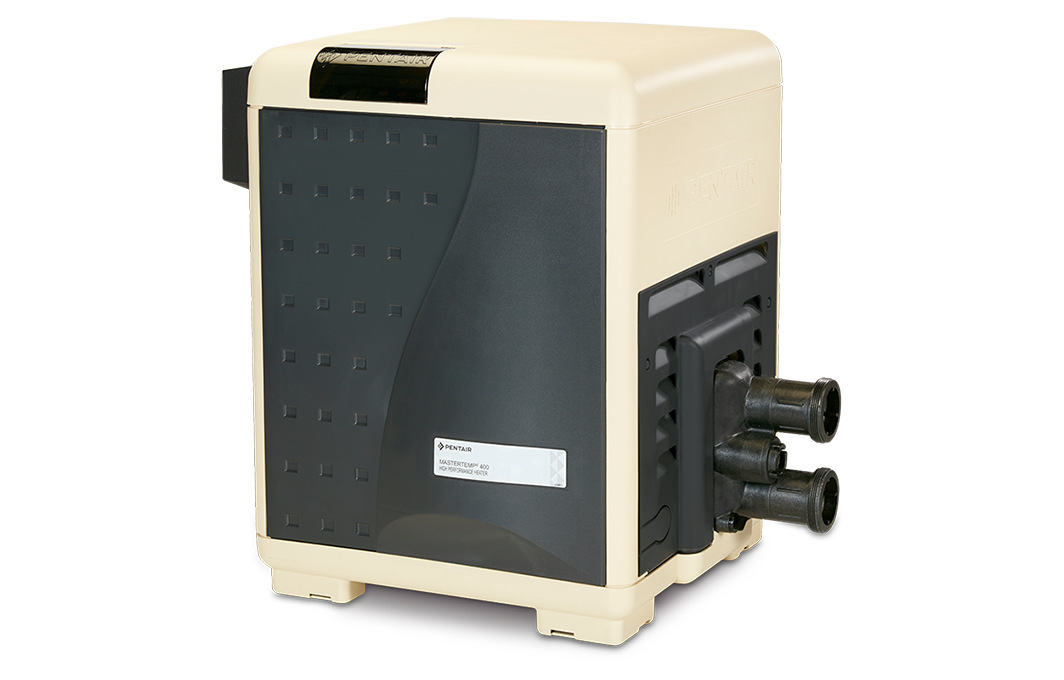
A gas heater burns natural gas or propane and transfers heat into the water flowing through its heat exchanger. Pentair offers MasterTemp models in several heating capacities and fuel configurations. The current product page describes a digital display and compatibility with Pentair automation. The exact features, fuel type and installation requirements must be checked against the model selected for your pool.
Gas heating is especially relevant when you plan to heat for occasional swims or want a shorter warm-up than a heat pump might provide under the same conditions. That is a use-pattern comparison, not a promise of a particular heat-up time. Pool size, starting temperature, target temperature, weather and cover use all matter.

Why Phoenix weather still matters
The 1991–2020 Phoenix Sky Harbor climate normals show cooler nights as fall progresses. Those airport averages help explain why a pool that felt comfortable in late summer may feel different in October or November. Your Scottsdale yard, shade, wind and pool cover can change the result. An installer should size heating around your actual pool and intended swimming dates.
The gas supply check belongs in the plan
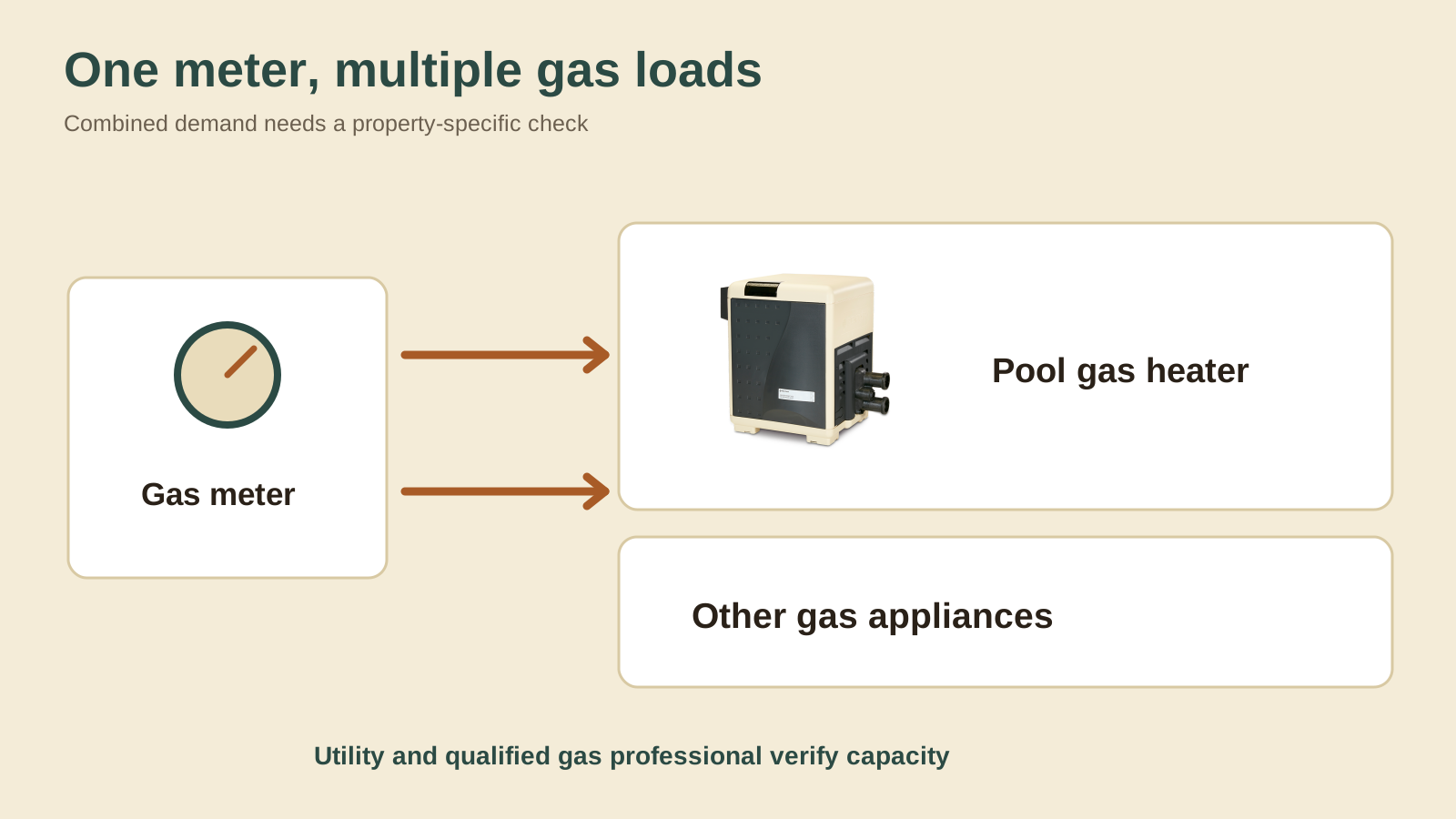
Choosing a heater is only part of the project. The Pentair MasterTemp installation manual calls for checking whether the gas meter can supply the heater and the other appliances on the same meter. Gas type, pipe run and the exact model also affect the installation. A licensed gas professional and the utility may need to assess the supply before a heater choice is final.
If you have a meter photo, a list of gas appliances and the existing heater’s model label, keep them handy for the consultation. They are starting points for a professional assessment, not a homeowner sizing calculation.
What to ask before buying
If you are also considering electric heating, ask how a gas heater and a heat pump compare for your intended use. For a recommendation, ask Haoly Pools to assess the pool, equipment and energy supply at your home.
- Will the heater use natural gas or propane at this property?
- What pool volume, preferred temperature and swimming schedule are we designing for?
- Does the selected MasterTemp model fit the equipment space and the existing circulation setup?
- Has the whole-house gas demand, meter and piping been checked for the exact model?
- What will the written proposal include for installation, permits, startup and owner handoff?
Is MasterTemp a natural-gas or propane heater?
Pentair lists MasterTemp configurations for both fuels. Your installer must select the correct model for the property’s actual supply; the fuels are not interchangeable by assumption.
Will a gas heater keep my Phoenix pool warm all winter?
That cannot be promised from a product name. Heating needs and cost depend on weather, pool size, heat loss, cover use, target temperature and how often you swim. Ask for a site-specific discussion.
Can my existing gas meter run a pool heater?
The meter must be assessed against the heater and all other connected gas appliances. Have the utility and qualified gas professional verify capacity.
Updated
Sources & further reading
- Pentair MasterTemp product information
- Pentair MasterTemp installation manual — gas supply requirements
- Gas heaters and electric heat pumps: the basic distinction
- Discuss an equipment installation with Haoly Pools
- NWS Phoenix October climate summary: 1991–2020 normal temperatures
- NWS Phoenix November climate summary: 1991–2020 normal temperatures
Have a question about this article? Contact the editorial team.
Our editorial approach